

The Essential Guide to Professional Air Quality Analyzers for Food Storage
Jun 11th 2026

Poor air quality in food storage facilities presents hidden risks that compromise product quality, accelerate spoilage and cause compliance gaps, and temperature logs don't provide a complete picture.
Ethylene accelerates ripening, while high carbon dioxide indicates inadequate ventilation and oxygen imbalances promote microbial growth. These atmospheric factors directly affect product shelf life and profitability. If you need tools to measure and manage these conditions, explore our ethylene control products.
This guide explains which gases to monitor, how to assess equipment and what features to prioritize. It also covers how calibration verifies data accuracy for audits.
Why Air Quality Is Critical for Food Safety
Air quality is a critical, though often neglected, control point in modern food safety plans. While temperature monitoring garners significant attention, atmospheric conditions can undermine product quality even with optimal thermal control.
Poor air quality poses three risks you can address with effective monitoring.
- Accelerated spoilage: Gases like ethylene cause premature ripening and decay in sensitive produce.
- Regulatory noncompliance: Inadequate environmental monitoring leaves gaps in HACCP and FSMA documentation.
- Brand damage: Inconsistent product quality erodes consumer trust and increases recall risk.
The annual cost of food waste for a family of four in the U.S. is approximately $3,000, with preventable spoilage contributing to this. Proactive environmental monitoring is fundamental to effective food safety and quality programs.
Temperature control alone cannot protect stored food quality under uncontrolled atmospheric conditions. Oxygen levels, carbon dioxide concentrations and ethylene exposure all affect shelf life regardless of thermal management.
Prevent Spoilage and Financial Loss
Specific gases directly accelerate ripening and decay in stored produce. Ethylene, a natural plant hormone, prompts aging in fruits and vegetables even at concentrations measured in parts per billion.
Monitoring atmospheric conditions allows you to intervene before quality decline becomes irreversible. Even small shelf life gains directly affect profitability for high-volume operations by minimizing leading spoilage risks.
- Cross-contamination between produce: Spoilage can spread rapidly throughout facilities that store ethylene-producing items like apples or avocados near ethylene-sensitive crops like lettuce or cucumbers.
- Reduced shelf-life margins: A three-day increase in storage life expands the distribution range, reduces emergency discounting and boosts inventory turnover.
- Downstream logistics complications: Products that spoil in storage will arrive at retail or food service locations with briefer shelf lives, thus increasing rejection rates and elevating operational costs.
Meet Regulatory Compliance Standards
The regulatory landscape for food storage continues to evolve. The Food and Drug Administration stresses preventive controls and environmental monitoring via frameworks such as Hazard Analysis and Critical Control Point and the Food Safety Modernization Act.
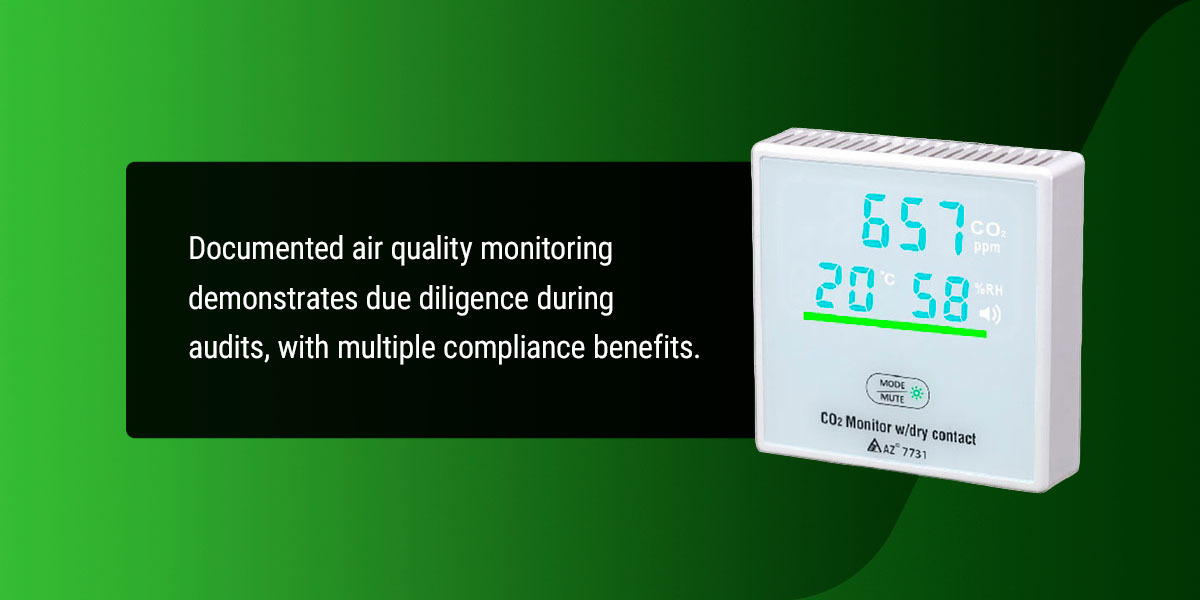
The FDA’s smarter food safety approaches feature technology-enabled traceability and real-time monitoring as essential elements. Documented air quality monitoring demonstrates due diligence during audits, with multiple compliance benefits.
- Verifiable control points: Continuous data logs confirm atmospheric conditions stayed within acceptable limits.
- Preventive documentation: FSMA requires facilities to identify and control reasonably foreseeable hazards.
- Audit readiness: Third-party certification programs like Safe Quality Food or Brand Reputation Compliance Global Standards often require environmental monitoring protocols.
Facilities without atmospheric monitoring encounter documentation gaps that auditors consider preventable risks. Establishing a robust air quality program demonstrates proactive food safety management.
Protect Product and Brand Quality
Consistent product quality directly affects consumer trust and brand reputation. Taste, texture or appearance deviations will damage that relationship. A single recall or widespread quality complaint can cause lasting harm far exceeding immediate financial losses.
Inconsistent storage atmospheres affect sensory qualities before visible spoilage occurs.
- Texture changes: Excess moisture or exposure to oxygen alters firmness and crispness in produce.
- Aroma changes: Volatile compounds break down prematurely in fluctuating atmospheric conditions.
- Visual defects: Discoloration, wilting or premature browning reduce shelf appeal even when products remain technically safe.
Quality issues cascade through the supply chain. Retail partners lose confidence in suppliers who cannot deliver consistent products. Maintaining tight control over storage atmospheres prevents these outcomes, ensuring products arrive at their destination in optimal condition.
Core Gases to Monitor in Food Storage
Ethylene, CO2 and oxygen directly affect produce respiration, microbial activity and chemical reactions, causing premature spoilage that affects food safety.
Facility type dictates additional monitoring. Some operations also track airborne particulates like PM2.5, PM1.0 and PM10, alongside total volatile organic compounds and formaldehyde. These measurements are particularly relevant in expansive warehouses, where dust, forklift emissions or packaging off-gassing can affect air quality.
Monitoring priorities vary among produce storage, packaged goods facilities and large distribution centers. Fresh produce operations typically focus on ethylene and respiration gases, while packaged goods warehouses often prioritize particulate matter and TVOCs for product integrity and worker safety.
The Ripening Hormone
Ethylene is a plant hormone that accelerates ripening and aging in fruits and vegetables. Even trace concentrations can cause premature aging in sensitive crops, which makes ethylene monitoring essential for facilities that store mixed produce types or operate long-term cold storage.
Early detection in long-term produce storage prevents losses that would otherwise become evident only after products leave the facility. Savvy managers learn about the distinction between ethylene producers and ethylene-sensitive items and use this knowledge to shape their storage strategies.
- High ethylene producers: The fruits in this category are apples, avocados, bananas, pears and tomatoes.
- Ethylene-sensitive crops: These include lettuce, cucumbers, broccoli, carrots and leafy greens.
- Moderate sensitivity: This group encompasses citrus fruits, peppers and potatoes.
Climacteric fruits produce ethylene in a rapid surge during ripening, while non-climacteric fruits do not. This difference determines how aggressively you must control ethylene in storage environments.
Teams often use ventilation systems and ethylene scrubbers alongside analyzers to manage buildup in enclosed spaces. However, workers who lack accurate measurement tools cannot gauge the effectiveness of their mitigation efforts.
CO2 for Respiration and Decay
CO2 levels directly correspond to product respiration rates. High CO2 concentrations can slow decay by reducing metabolic activity, but excessive levels cause physiological damage. Monitoring considerations include the following.
- Ventilation adequacy: Rising CO2 readings often indicate inadequate ventilation or excessive respiration within a storage room.
- Controlled atmosphere precision: Facilities using controlled atmosphere storage rely on highly accurate CO2 monitoring to remain within target ranges that preserve quality without harm.
- Modified atmosphere packaging: In MAP systems, CO2 acts as a preservative by displacing oxygen and inhibiting aerobic microbial growth.
Quality assurance programs for MAP products routinely verify CO2 concentrations to confirm packaging integrity throughout the distribution cycle, providing an early warning if conditions shift toward spoilage.
Oxygen for Oxidation and Microbial Growth
Oxygen levels significantly affect microbial growth and oxidation reactions in stored food. Aerobic bacteria require oxygen to multiply, while reduced oxygen atmospheres slow spoilage by restricting their activity.
- Atmosphere packaging control: MAP systems typically reduce oxygen below ambient levels while increasing CO2 or nitrogen to extend shelf life.
- Microbial risk management: Excessively low oxygen levels can cause anaerobic fermentation and off-flavor development, while high oxygen levels can accelerate chemical breakdown.
- Packaging verification: Oxygen analyzers integrated into MAP quality assurance programs confirm packaging maintains target atmospheres throughout storage and distribution.
Monitoring provides data to adjust ventilation, verify packaging integrity and maintain storage conditions across diverse product types.
How to Choose an Air Analyzer
Selecting an analyzer involves assessing multiple factors specific to your operation. Facility size, storage volume, airflow patterns and product mix all affect which equipment provides reliable results.
Consider ongoing usability factors beyond the initial purchase price. Remote monitoring capabilities minimize manual data collection, while maintenance requirements and calibration intervals affect long-term operational costs. Equipment that integrates with existing HACCP documentation systems streamlines compliance reporting.
Explore different types of analyzers to determine which features align with your facility's specific requirements. Professional-grade instruments balance accuracy, durability and ease of use to support demanding food safety environments.

Match Sensor Technology to Your Needs
Review this summary of each sensor technology to match its capability with your facility's atmospheric conditions and target gases. Environmental factors like temperature extremes, humidity or nearby gases can affect accuracy, so choose technology specifically designed for food storage environments.
- Electrochemical sensors: These ethylene sensors are highly sensitive at low concentrations, generally affordable and require periodic replacement.
- Non-dispersive infrared sensors: CO2 sensors provide excellent accuracy and stability with minimal drift, but can come at a higher initial cost.
- Photoacoustic sensors: Sensors that simultaneously measure multiple gases are highly sensitive.
- Paramagnetic or electrochemical sensors: Oxygen sensors are reliable across wide concentration ranges and feature proven technology for MAP and controlled atmosphere applications.
Compare Handheld vs. Fixed Analyzers
The choice between portable and fixed monitoring depends on facility layout and testing frequency. Each approach offers distinct advantages.
Handheld/portable analyzers are excellent for spot-checking multiple storage rooms or warehouse zones throughout a shift. They offer flexibility without the need for dedicated monitoring systems, but require consistent testing schedules to avoid coverage gaps.
Meanwhile, fixed or in-line analyzers offer continuous monitoring and real-time data, generating compliance documentation without manual intervention. It's better to use them in high-value storage rooms or controlled facilities.
Some operations use a hybrid approach, combining portable instruments for routine inspections with continuous monitors in essential areas. Handheld gas analyzers for storage offer flexibility, while fixed systems provide the continuous oversight required for tight atmospheric control.
Look for Essential Features
Professional food storage environments demand equipment that performs reliably under challenging conditions, with essential features including the following.
- Robust data logging: Automated timestamped recording supports HACCP documentation and audit trails.
- IP rating for durability: Moisture resistance and dust protection extend longevity in cold, humid environments.
- Certifications: Look for instruments with traceable calibration and compliance with industry measurement standards.
- Environmental compensation: Temperature and pressure correction features improve accuracy across varying storage conditions.
Alert systems and remote reporting capabilities enable faster response times when readings drift outside acceptable ranges. Automated alerts immediately notify staff when it's time to intervene, reducing the window between atmospheric shifts and corrective action.
Calibration in Food Safety
Uncalibrated instruments pose significant risks. Accurate data relies on regular, certified calibration to verify measurement accuracy and demonstrate due diligence. Sensor drift occurs naturally over time due to temperature exposure, humidity and cumulative use, which cause measurement accuracy to decline.
Calibration is essential for data validity during audits and regulatory inspections. Facilities that lack documented calibration cannot prove recorded data reflects actual atmospheric conditions, resulting in unacceptable compliance gaps.
NIST Traceable Calibration
The term "NIST-traceable" means calibration standards link to measurements maintained by the National Institute of Standards and Technology. This traceability chain assures your instrument's readings align with nationally recognized reference standards.
In regulatory environments, NIST traceability is the baseline expectation for defensible measurement data.
ISO accreditation standards promote laboratory and calibration consistency across internationally recognized frameworks. Accredited calibration provides documentation that withstands scrutiny during third-party audits and regulatory reviews.
Traceable, accredited calibration serves multiple purposes.
- Audit defense: Demonstrates measurement equipment meets recognized accuracy standards.
- Compliance documentation: Satisfies HACCP and FSMA requirements for verified monitoring equipment.
- Data accuracy: Confirms recorded atmospheric readings reflect true conditions.
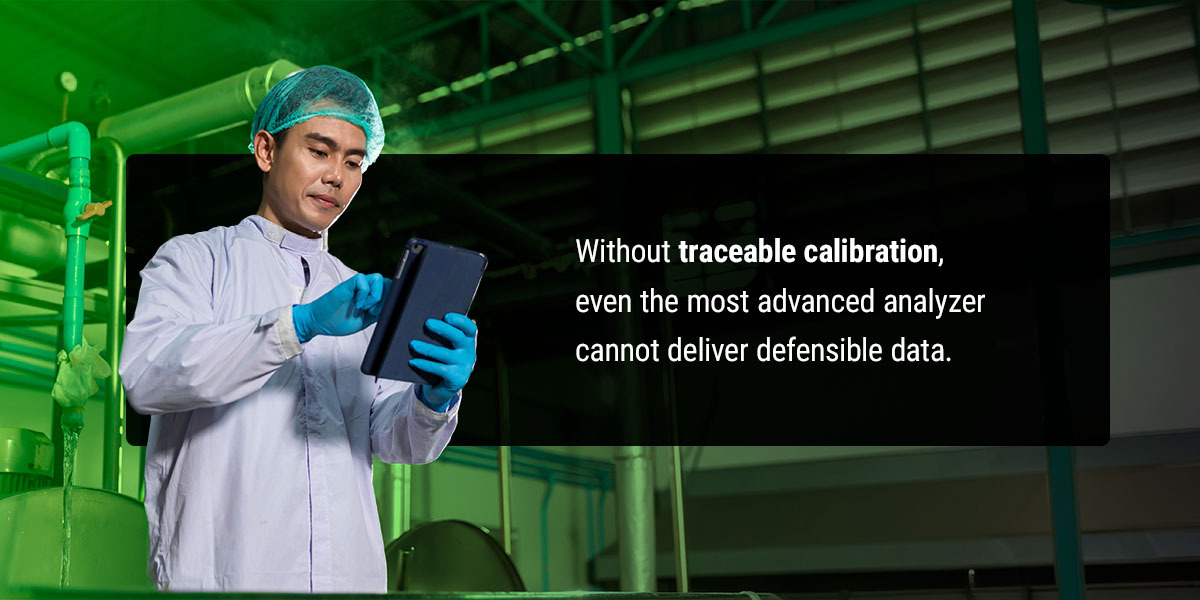
Without traceable calibration, even the most advanced analyzer cannot deliver defensible data. Professional instrument calibration services ensure analyzers remain accurate and compliant throughout their operational life.
Create a Calibration Schedule
Regular calibration intervals depend on manufacturer recommendations and your internal food safety plan requirements. Most professional air quality analyzers require annual calibration at a minimum. Scheduling considerations include the following.
- Environmental severity: Facilities operating in harsh conditions — high humidity, temperature extremes or heavy use — may require more frequent calibration.
- HACCP documentation: Document calibration schedules and verification activities as part of preventive controls for a clear audit trail confirming monitoring equipment accuracy throughout the reporting period.
- Bump testing supplements: This quick verification exposes the sensor to a known gas concentration to confirm it responds appropriately between formal calibration cycles.
Your food safety plan should specify calibration intervals based on risk assessment and manufacturer guidance. Always maintain documented calibration records for audit purposes.
Air Quality Analyzer FAQs
Learn more about air quality analyzers and best practices with the common questions below.
What Are the Best Air Quality Analyzers for a Food Warehouse?
The best analyzers depend on what you're storing. Fresh produce facilities require ethylene and CO2 monitors, while packaged goods warehouses find particulate and TVOC monitoring valuable.
Multi-gas photoacoustic analyzers work well for comprehensive monitoring.
Do I Need a Special Type of Air Analyzer for Cold Storage Facilities?
Yes. Cold storage analyzers require environmental compensation for temperature and humidity, plus IP-rated durability to resist moisture. Look for instruments specifically rated for use in refrigerated environments to confirm accurate readings and long-term reliability.
Which Air Quality Sensors Meet Food Safety Regulations?
Sensors with NIST-traceable calibration meet FDA, HACCP and FSMA requirements. Look for electrochemical sensors for ethylene, NDIR sensors for CO2 and paramagnetic or electrochemical sensors for oxygen.
Documentation of calibration history is essential for audit compliance.
How Much Do Professional Air Quality Analyzers Cost?
Costs vary based on sensor type and features. Handheld single-gas analyzers typically start at a few hundred dollars, while advanced multi-gas photoacoustic systems can cost several thousand dollars.
Factor in ongoing calibration costs when budgeting for long-term food safety monitoring programs.
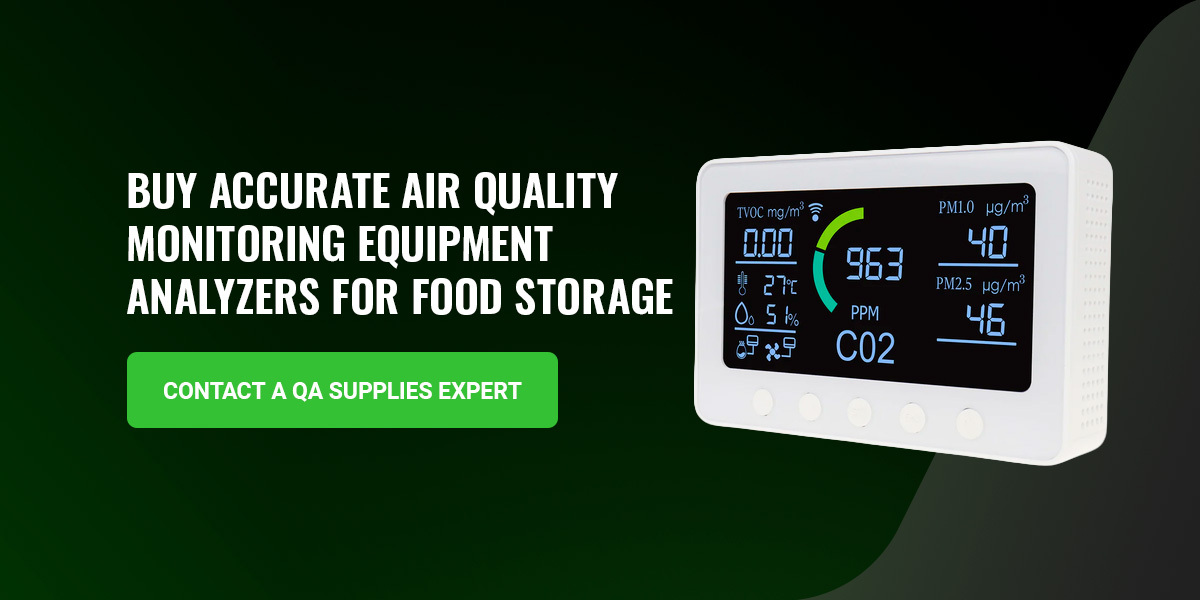
Buy Accurate Air Quality Monitoring Equipment Analyzers for Food Storage
A tool's value depends on how intelligently you use it. Successful implementation requires a partner familiar with the equipment and its operational environment.
QA Supplies has served the fresh produce and food industries since 1995. Whether you require handheld analyzers for spot checks or fixed systems for continuous monitoring, you'll find solutions suited to your facility's requirements. Beyond equipment, you'll access calibration services that keep your data accurate and defensible during audits.
Are you ready to implement air quality monitoring or upgrade your current setup? Contact a QA Supplies expert to discuss your storage environment and compliance goals.